
When someone asks you to delete a photo
During a photo walk, a man ran up to one of the participants. He wanted a photo deleted NOW. Within three seconds, it had become a matter of principle.
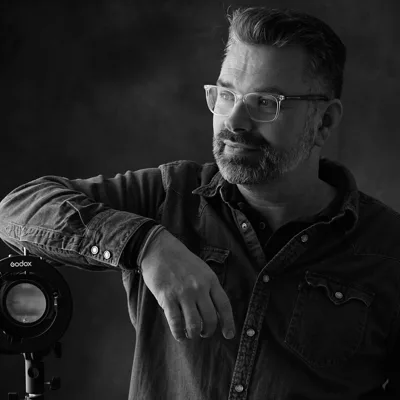
Michiel Heijmans, one of the editors
Updated on October 13, 2026
So he called 112
The participant refused to delete the photo. The man then called 112. That's not what that number is for, but apparently we'd reached that point.
The photographer was asked whether he would delete the photo or whether a police car needed to be sent out. He replied that he'd wait for the car.
The police didn't come.
And one more detail: the man wasn't recognizable in the photo. That made his demand all the more remarkable to me. There had been quite a fuss over a photo in which you couldn't even recognize him.
I'm sure things would have gone differently if he'd said politely, “Hey, I'd rather not be in the photo.” That photo would have been deleted within a minute. No phone call would have been necessary.
That difference has stayed with me.
A matter of principle within three seconds
A request leaves room for an answer. A demand immediately leaves a lot less room. Especially when someone runs up to you and throws in a NOW.
I understand why a photographer might think: hold on, you don't get to tell me what to do. But once both people dig in, the photo itself becomes almost beside the point. One person wants the other to obey, and the other mainly wants to avoid giving in.
Knowing what's allowed only helps so much. You can explain something, but the other person still has to be willing to listen. Otherwise, you can be right and still be talking to a brick wall.
My lesson from this story: my own attitude is the part I can do something about. I can't control how someone speaks to me. I can control how I answer. Staying calm is my starting point.
That sounds a lot easier on paper than when someone is standing right in front of you making demands.
First, understand what's bothering someone
My main rule is that I don't photograph people in ways I wouldn't want to be photographed myself. For me, that also means trying to take an objection seriously.
If someone says they'd rather not be in a photo, I want to understand what's bothering them. The photo itself? The thought of it being published somewhere? That distinction matters. Taking a photo and publishing it are different things, but they can easily get mixed up in a conversation like that.
There are several options. You can discuss what's in the photo. You can show the photo. You can decide to delete it or not to publish it. Those are separate choices, each with a different outcome.
For me, that conversation starts with the person standing in front of me. What are they trying to get across? Can I listen for a moment without already preparing a defense in my head?
I'm not saying I get everything right. That would be a bit too easy, writing an article in which I'm always the reasonable one.
A polite request and a demand
To me, there's a big difference between the two. A polite request makes a conversation possible right away. Someone is telling you about a personal boundary. I can work with that.
A demand is more likely to meet resistance. That's what happened during that photo walk. Still, I don't want the other person's tone to dictate my response. That would mean their anger ultimately decides how I behave.
Even a rude request can come from a concern I want to understand. That doesn't suddenly make the way someone speaks to me pleasant. It does give me something to respond to besides that NOW.
My own rule is simple: if someone asks me to delete a photo, I just do it. Every time. Even if it sounds like a demand. It's not my place to ruin someone's day. And an argument like that doesn't do much for my own day either.
That's my choice. Where you draw the line is up to you.
What's allowed is a separate question
In the Netherlands, you can generally photograph whatever you want in public spaces. Publishing a recognizable portrait that wasn't commissioned involves a different assessment. The person portrayed may have a reasonable interest that weighs against publication, for example because of privacy concerns or a vulnerable situation.
In Belgium, publishing a recognizable photo of someone generally requires permission. There are exceptions, including for people who appear incidentally and as a secondary element in a photo of a public place or crowd.
This is general information, not legal advice. You can read more about that distinction in my article on what you're allowed to photograph on the street and publish.
The fact that the police didn't come during our walk doesn't provide a general answer about how to handle a request to delete a photo. It only tells us how this incident ended. I wouldn't draw a legal conclusion from it.
My own standards apply on the street too
In my experience, people usually don't mind at all if someone takes a nice photo of them, with the respect every person deserves. But what I consider respectful may not feel that way to someone else.
That's why I try to put myself in the other person's shoes. I also write about that in my article on how I interact with people on the street. That respect gets more interesting when someone reacts differently than I'd hoped.
I keep coming back to the rules I set for myself: what are they, and why? That question still stands when someone gets angry.
What I remember most about that walk is how little it took for the conversation to break down. Three seconds. When one friendly sentence probably would have been enough.
Questions about When someone asks you to delete a photo
Do you always delete a photo when someone asks you to?
Yes, I just delete it. It's not my place to ruin someone's day, and an argument like that doesn't do much for my own day either. That's my choice. You decide how you handle it.
What if someone demands that you delete the photo?
I delete it then too. A demand lands differently than a polite request, but it doesn't change my decision. I try to stay calm and understand what's bothering them.
Does it matter whether someone is recognizable in the photo?
Under Dutch portrait rights law, yes: a portrait means that someone is depicted recognizably. The man in this story wasn't. It makes no difference to my own decision. If someone asks me to delete the photo, I do.
5 essential street photography tips
Sign up for Michiel’s newsletter and get his free e-book with practical tips and favorite street photos. First, confirm your email address using the link in the email.
About Michiel Heijmans
Portret- en straatfotograaf. Boeken: Straatfotobijbel (Photofacts Publishing), The Observer (Uitgeverij KOMMA), De Wet van de Straat (met mr. Charlotte Meindersma). Columns voor Photofacts, voorheen voor Focus Magazine. Expert Perfecte Plaatje 2025. Lezingen voor CameraNu en fotoclubs. Podcast 30…
View Michiel Heijmans’s profile