
Respect on the street
I don't photograph people while they're eating. To me, those photos never look good, and I wouldn't want to be photographed with half a sandwich in my mouth either.
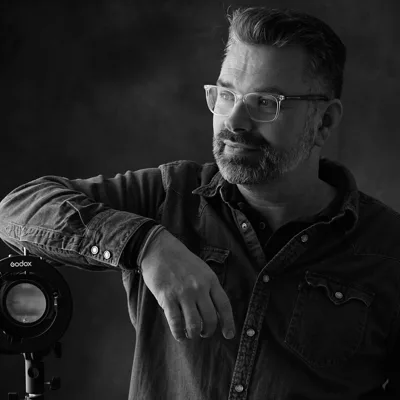
Michiel Heijmans, one of the editors
Updated on October 13, 2026
Would I want to be photographed like that?
That question clears up a lot for me. I might find a photo interesting, but would I be happy with it if I were the person in it? Or do I only think it works because it's someone else in the frame?
My main rule is simple: I don't photograph people in ways I wouldn't want to be photographed myself.
Of course, that doesn't solve everything. I'm just one person, with my own ideas about what feels comfortable. The person in front of me might have very different boundaries. My own preferences are a starting point. They don't tell me how someone else feels.
Still, I find it useful. It makes the decision personal and concrete. I'm looking at someone who might later see themselves in my photo. What will they see?
People usually don't mind a good photo of themselves
In my experience, people usually don't mind at all if someone takes a good photo of them. With the respect every person deserves.
That sounds simple. But what makes a photo 'good' is pretty personal. The person in a street photo might not like it at all, even if I do. I might be happy with what's happening in the photo while they're mainly looking at their own face.
So that experience doesn't give me a free pass. I can hardly decide that someone else should be happy with my photo. However pleased I am with it myself.
But it does help me avoid assuming that street photography will lead to conflict. A camera doesn't have to cause a problem. A person on the street is just a person. Fortunately, that goes for the person behind the camera too.
The city you're walking through
For me, respect on the street starts with the place I'm in. Clean up your mess. It doesn't have to be that complicated.
We can have long conversations about ethics and what a photo does to someone. Meanwhile, an empty cup we left behind might still be sitting on a low wall. At least we've had the big discussion.
The city is where you look for photos, but it's also where people live and go about their day. For me, how I behave there is part of my photography. Respect doesn't start only when someone is recognizable in the frame.
There's nothing lofty about it. It's just being considerate of the place you're visiting, or where you live.
Your subject has their own standards
My boundaries have changed. I used to avoid photographing children. Now I do, if I see a story there. To me, children give the streets their character. Adults are mostly on their way somewhere.
I still skip people who are eating. Apparently, my personal rulebook hasn't evolved quite as much on that point.
That does show how personal these decisions are. Your upbringing, the people around you, and the posts you see on social media influence what you consider normal. You bring all of that out onto the street.
Someone else might see things differently. Including the person you're photographing. So asking whether I'd want to be photographed that way helps, but I also try to put myself in their shoes.
With children and vulnerable people, that decision can raise additional questions. I discuss those further in a separate article. My personal boundaries don't automatically determine yours.
Then you show the photo
Once you publish a photo, your decision has an audience. People see the photo and judge it according to their own ideas of what's acceptable. They weren't inside your head when you took it.
I like showing my photos to people who aren't street photographers themselves. I pay attention to their facial expressions. I find those interesting. A photo can be seen very differently within street photography circles than outside them.
That doesn't mean every reaction gets the final say. To me, the loudest voice isn't automatically right either. But a reaction can reveal something I overlooked.
Whether something is allowed is also a different question from whether it fits your values. Taking a photo and publishing it are two different things legally. You can read more about that in Are you allowed to photograph anyone?. That legal explanation is general information, not advice.
Respect for other street photographers
That respect also applies to the photographer sharing their work. And to the person who has an opinion about your photo.
You can strongly disagree about a photo. Maybe your boundaries are different, or you see something the photographer doesn't. That conversation can be useful, even if no one has changed their mind by the end.
I think it's worth listening to others and putting myself in their shoes. That gets a little harder when my own photo is being discussed, but that's exactly when it matters too. I'm not claiming I get everything right.
For me, street photography is still a balancing act along the line between what's acceptable and what's allowed. That's part of the tension and the fun. My rule helps me with that. Your decision starts with your own standards.
What are your rules?
Questions about Respect on the street
What's your main rule for respect on the street?
I don't photograph people in ways I wouldn't want to be photographed myself. That helps me think about the photo from the perspective of the person in it.
Do people mind being in a street photo?
In my experience, people usually don't mind a good photo of themselves at all. That's still personal. My idea of a good photo doesn't have to match theirs.
What if someone objects to a photo anyway?
Your attitude and theirs determine how the conversation goes. You can read more about that situation in When someone asks you to delete a photo.
5 essential street photography tips
Sign up for Michiel’s newsletter and get his free e-book with practical tips and favorite street photos. First, confirm your email address using the link in the email.
About Michiel Heijmans
Portret- en straatfotograaf. Boeken: Straatfotobijbel (Photofacts Publishing), The Observer (Uitgeverij KOMMA), De Wet van de Straat (met mr. Charlotte Meindersma). Columns voor Photofacts, voorheen voor Focus Magazine. Expert Perfecte Plaatje 2025. Lezingen voor CameraNu en fotoclubs. Podcast 30…
View Michiel Heijmans’s profile