
Photographing children and vulnerable people
A child playing in the street, someone sleeping on a sidewalk, a bystander in tears. A photographer might see a photo there, while someone else mainly sees a person who deserves protection.
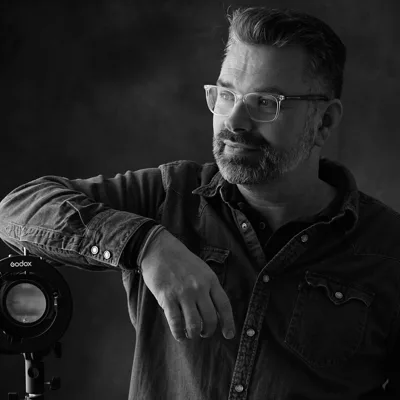
Michiel Heijmans, one of the editors
Updated on October 13, 2026
Why this hits close to home
When photographing children and vulnerable people, the conversation quickly turns to the person in the photo. How they feel about it. Whether they even realize a photo is being taken. And why a stranger wants to show that moment.
That's understandable. A photographer might be looking at the light, a gesture or how people relate to one another. A parent sees their child. A care worker sees someone who needs help. The same situation, a very different first thought.
That concern doesn't have to be a judgment of your intentions. There's a question behind it: who's looking out for the person being photographed?
What parents worry about
Children are part of street life. They play, stop somewhere and take an interest in things adults walk right past. That makes them worth photographing for street photographers. A photo of a child doesn't have to be about vulnerability at all.
Still, a stranger with a camera can alarm a parent. Who is that? Where will the photo end up? Who will get to see my child?
For that parent, the situation may not end when you walk away. The thought of a photo online in which their child is recognizable can matter more than the photo itself. Even if it shows nothing upsetting. A child may not be thinking about an unfamiliar audience at that moment. A parent might be.
That doesn't automatically make such a reaction justified in every situation, but it does make it understandable. The photographer knows their own intentions. The parent only has what happens on the street to go on.
Homelessness is not a ready-made story
A photo of a homeless person raises a different concern. Does it make someone visible who might otherwise easily be ignored? Or is someone's difficult situation mainly being used to make a striking photo?
You can't always tell the intention from the photo alone. A carefully chosen composition doesn't explain why this particular person needed to be photographed. Calling it a ‘story’ doesn't automatically make that clear either. If only it were that simple.
At the same time, it would be strange if street photography showed only the pleasant side of the street. Homelessness is part of the society photographers document. An objection to a photo can therefore coexist with the belief that these circumstances need to remain visible.
The question is what the photo allows that person to be. A human being whose life you only glimpse, or nothing more than an example of suffering? That distinction can matter a great deal to viewers, even if the photographer had something else in mind.
For the person involved, an accident isn't a subject
At an accident or while receiving help, the person who needs that help has priorities very different from photography. They're in pain, shaken or perhaps still unsure what's happening. A photo can show that exact moment.
From the perspective of someone providing help, concern about the camera is understandable. There's already enough to deal with. The possibility of attention from strangers adds to that.
Bystanders, too, can imagine what it would be like to see themselves or someone close to them in a photo like that. Their reaction may have little to do with photography. What they recognize is a situation in which they would want to keep some say themselves.
On the other hand, photos of difficult events can show something that would otherwise go unseen. That value doesn't disappear because of the discomfort. But the discomfort doesn't disappear just because a photo has value, either.
Street life can be uncomfortable, too
Some photographers believe it should be possible to photograph anything that happens on the street. In that view, public space is a shared reality, including situations we'd rather look away from.
That position deserves a fair hearing. A photo doesn't have to be pleasant to say something. And photographing a difficult subject doesn't automatically mean someone is chasing sensational images. That choice may come from concern.
Likewise, objecting to such a photo doesn't necessarily mean someone wants to erase reality. A parent or care worker can understand the importance of photography and still feel uncomfortable about this person, at this moment, being shown to this audience.
A discussion stalls when one side is simply labeled ‘oversensitive’ and the other ‘disrespectful’. The positions are clear, but you still know very little about the photo.
Online, the audience grows
On the street, a situation unfolds among the people who are there. Publishing a photo brings in viewers who weren't there for that moment. They see the photo and the words around it.
That's part of what makes this sensitive. A photographer may see a tender moment, while someone else mainly sees shame. A caption can explain, but it can also lock someone into a role: the poor child, the homeless person, the victim.
As the photo is shared further, that explanation may also get lost. Concern about this doesn't have to mean someone can predict every possible use. The uncertainty itself can be uncomfortable: where will this photo end up, and what will others make of it?
In the Netherlands, you are generally allowed to take photos in public spaces, but publishing them requires a separate legal assessment. The explanation of what you can photograph and publish also covers the differences with Belgium and provides general information, not legal advice.
Your own judgment keeps changing
Reactions to a photo say something about the viewer's values. Your decision to show it says something about yours. Your upbringing, social circle and the people you follow online all play a part.
I like showing my photos to people who aren't street photographers themselves. Their facial expression alone can prompt a follow-up question. My own explanation usually sounds pretty convincing in my head. That doesn't always help.
Understanding an objection doesn't mean you have to draw the same line. It can, however, reveal something you hadn't considered. Setting your own boundaries also means leaving room to take another look.
If you want to explore the legal side further, you'll find it in De Wet van de Straat, which I wrote with legal expert Charlotte Meindersma.
A photo shows one moment. For the person in it, life goes on afterward.
Questions about Photographing children and vulnerable people
Why might a parent object to an innocent photo?
The concern may be about what happens afterward: who sees the photo, where it's shared and how much say the parent and child have in that.
Is a photo of someone in a vulnerable situation always disrespectful?
That isn't a judgment you can make in advance. There can be value in making difficult circumstances visible. At the same time, a viewer may question how the person in the photo is portrayed.
Why does sharing online raise different questions than taking a photo?
The photo reaches people who weren't there. They interpret it in their own way, and as it's shared further, the original explanation may be missing.
5 essential street photography tips
Sign up for Michiel’s newsletter and get his free e-book with practical tips and favorite street photos. First, confirm your email address using the link in the email.
About Michiel Heijmans
Portret- en straatfotograaf. Boeken: Straatfotobijbel (Photofacts Publishing), The Observer (Uitgeverij KOMMA), De Wet van de Straat (met mr. Charlotte Meindersma). Columns voor Photofacts, voorheen voor Focus Magazine. Expert Perfecte Plaatje 2025. Lezingen voor CameraNu en fotoclubs. Podcast 30…
View Michiel Heijmans’s profile