
Which camera for street photography is right for you?
You want to get out on the street, but you're still at your screen comparing cameras. Choosing a camera for street photography starts with what feels comfortable to use when you're out walking.
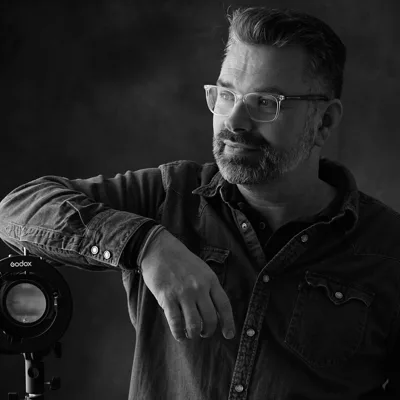
Michiel Heijmans, one of the editors
Updated on October 13, 2026
Start with what you already have
Maybe you have a camera sitting in a closet. Maybe you take photos with your phone. You can start with either. You don't need to settle on another camera before going on your first walk.
Use what you have and pay attention to the controls as you go. Can you find the setting you want to change? Do you understand where the camera is focusing? Do you like using the screen? Those are specific experiences you can use to compare cameras later.
Afterward, write down what felt comfortable and what was awkward. 'I keep having to look for exposure compensation' helps you make a choice. 'I want something better' still leaves quite a lot of room.
Street photography with your phone is also a good starting point. You can start with it and figure out what kind of photography suits you as you go. The wish list can wait a little.
You notice the weight when you're walking
A camera you're happy to carry all day is one you'll use more often. Size and weight deserve some attention, even if you're mainly looking at technical features. On a screen, all cameras weigh about the same.
Assess the camera with the lens you plan to use. Holding just the body won't give you a good sense of what you'll be carrying. A larger sensor also often means a larger, heavier camera and lens combination.
Hold that combination for a while if you get the chance. Can you reach the buttons easily? Does the whole thing feel comfortable? Think about a walk, not just the brief moment you're spending trying the camera.
A smaller camera is also less noticeable. That can factor into your choice. Above all, decide what size you're happy to carry. The smallest camera offers little advantage if you find the controls awkward.
Controls you can find
On the street, you want to be able to adjust a setting while keeping track of what's happening in front of you. Dedicated buttons and dials can help. They let you make that adjustment without opening a menu.
Try something specific: change the shutter speed, then the exposure compensation. Notice where your fingers land and whether you understand what you're changing. A camera can have plenty of direct controls, but their layout needs to make sense to you.
You don't need to understand every function the first time you try a camera. Start with the settings you use while you're out. The guide to setting up your camera for street photography helps you work out which ones those are.
Try the viewfinder and the screen, too. With a viewfinder, you hold the camera up to your eye. A tilting screen lets you view the scene from hip height. These are different ways of working, and it helps to experience them for yourself.
Look at the same subject both ways. Pay attention to how you hold the camera and compose your photo. Use that experience to decide which options matter to you.
Focusing without too much fuss
Fast, reliable autofocus is useful when people walk through your frame. Include focusing when you try a camera. Aim at a subject, focus, then check whether the focus landed where you intended.
Pay attention to the process itself, too. Can you easily choose what the camera focuses on? Is it clear how to change that? It helps to understand those controls before you're outside trying to watch your subject and your settings at the same time.
You can also use zone focusing. This means focusing at a set distance in advance and working within a zone of acceptable sharpness. If you want to use that approach, check how to focus manually and set a focus distance on the camera.
You don't have to commit to either approach forever before you start. Try them and see which you prefer. If you enjoy using autofocus, you can simply make that a starting point when choosing a camera.
How quietly do you want to photograph?
Many cameras have an electronic shutter that lets you take photos almost silently or completely silently. If sound matters to you, try that function. Check how to turn it on and how to switch back.
There is a caveat. An electronic shutter can distort fast-moving subjects. Under certain lights, bands can appear in the photo. Photographing silently also means checking your photos to see what was actually captured.
When trying the camera, take a few photos with different shutter settings and look at the results. Pay attention to movement and the light in the scene you're photographing. That way, you're judging silent mode by the photos it produces.
Also consider whether you like hearing the shutter. Sound is something to try out, just like a button or a viewfinder.
Keep your lens choices simple
The lens is part of your camera choice. A fixed lens or working with a single focal length keeps things simple while you're out. You won't have to choose a focal length again for every photo.
If you have a zoom lens, you can stick to one focal length during a walk. That lets you see how you feel about using a fixed focal length before you consider buying another lens. Afterward, look at the photos you took and think about how it felt to work that way.
When comparing lenses, it helps to know which sensor size a focal length refers to. Without that information, a number on a lens doesn't tell you what angle of view you'll get. That's where the terms 'full frame' and 'full-frame equivalent' come in.
The differences between 28, 35 or 50mm can help you make that choice. You don't need to use all of them to get started. Give yourself enough time to learn to work with one focal length first.
You'll find more about choosing a camera and the differences between 28, 35 and 50mm in my more detailed article on cameras and lenses for street photography.
What sensor size changes
APS-C has a crop factor of about 1.5 compared with full frame. A 23mm lens on APS-C therefore gives roughly the same angle of view as a 35mm lens on full frame. Full-frame equivalents let you compare those angles of view.
That's especially useful when you read that someone likes photographing with 35mm. Check whether they mean the focal length marked on the lens or the full-frame equivalent. Otherwise, you may be comparing two numbers that produce different angles of view in practice.
A larger sensor usually produces less noise in low light when photographing the same scene. The tradeoff is that the camera and lenses are often larger and heavier. Consider both when assessing a combination.
Think about the conditions you want to photograph in and what you're willing to carry for them. If possible, look at photos taken in low light as well as holding the camera. That lets you choose based on both the results and the experience of using it. Sensor size is one part of that decision.
An example, then a chance to try it yourself
I use a Fujifilm X-T5, an APS-C camera with separate dials for shutter speed, ISO and exposure compensation. I use autofocus. My favorite focal length is 40mm or 35mm in full-frame equivalent terms. That's my combination and how I work.
Use an example like that to decide what you want to try yourself. Maybe the separate dials appeal to you. Maybe holding the camera makes you realize you'd prefer to work differently. You don't need to adopt someone's entire setup just because they enjoy using it.
Keep your own list handy when comparing cameras. Try the settings you use often, look through the viewfinder and assess the weight with the lens attached. Take photos, too. Ultimately, you want to know how the camera works while you're photographing.
Then you can keep practicing with that combination. For photographers with a basic knowledge of photography who want to photograph more deliberately, there's the online email course Streetsessions. But first, you can simply take a walk with the camera you've chosen. Even if it's still the one from the closet.
Questions about Which camera for street photography is right for you?
Can I start with the camera I already have?
Yes, even your phone is a good starting point. During a walk, notice what feels comfortable to use and which controls are awkward. That gives you something specific to work with if you decide to choose another camera later.
Do I need a camera with a larger sensor?
You don't need a larger sensor to get started. It usually produces less noise in low light when photographing the same scene, but the camera and lenses are often larger and heavier. Weigh that against what you're happy to carry.
Is an electronic shutter always the most practical choice?
An electronic shutter often lets you photograph almost silently or completely silently. Fast-moving subjects can appear distorted, and certain lights can cause bands to appear. Try the function and check your photos.
5 essential street photography tips
Sign up for Michiel’s newsletter and get his free e-book with practical tips and favorite street photos. First, confirm your email address using the link in the email.
About Michiel Heijmans
Portret- en straatfotograaf. Boeken: Straatfotobijbel (Photofacts Publishing), The Observer (Uitgeverij KOMMA), De Wet van de Straat (met mr. Charlotte Meindersma). Columns voor Photofacts, voorheen voor Focus Magazine. Expert Perfecte Plaatje 2025. Lezingen voor CameraNu en fotoclubs. Podcast 30…
View Michiel Heijmans’s profile